
The 6G Revolution: What to Expect for the Future of Connectivity

Advances in bioengineering are rapidly transforming various aspects of medicine, agriculture, and science in general. However, while these innovations offer promising solutions to global problems,
They also pose significant ethical, social, and environmental challenges. This article examines the key consequences of these advances, exploring both the benefits and the associated concerns.
Bioengineering is an interdisciplinary field that combines principles from biology, engineering, chemistry, and physics to develop technological solutions applicable to life. This field includes:
From this foundation, advances in bioengineering are directly impacting several industries.
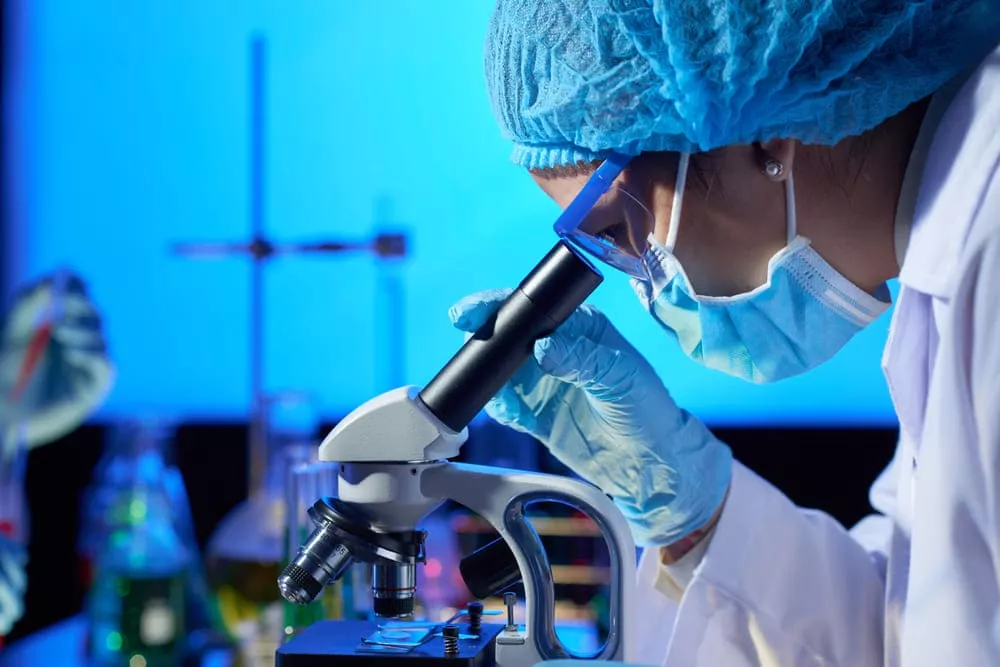
Advances in bioengineering have the potential to solve complex problems on a global scale. Below are the main benefits:
Bioengineering has revolutionized the treatment of genetic diseases, such as muscular dystrophy and cystic fibrosis, through gene therapies. Furthermore, personalized medicine uses individual genetic data to create tailored treatments, increasing efficacy and reducing side effects.
With 3D bioprinting, artificial organs are being developed for transplants, reducing waiting times and improving the quality of life for thousands of patients.
GMOs are used to increase plant resistance to pests, reduce pesticide use, and improve the nutritional value of foods.
Bioengineering also promotes techniques such as the use of genetically modified microorganisms to enrich soils and increase productivity without harming the environment.
Engineered microorganisms are being used to produce clean fuels such as ethanol and biodiesel, reducing dependence on fossil fuels.
Bioengineering enables the development of organisms that can degrade pollutants such as plastics and toxic chemicals, helping to restore degraded ecosystems.
Despite their benefits, advances in bioengineering present significant challenges:
The ability to edit genes, especially in humans, raises questions about ethics and the limits of scientific intervention. Who should decide what is "acceptable" to modify?
Bioengineering could also be used to create more powerful biological weapons, posing a threat to global security.
Not all countries have access to bioengineering technologies, which can increase inequalities between developed and developing nations.
Technologies such as automated agriculture and biomanufacturing could replace jobs, causing unemployment in traditional sectors.
Genetically modified organisms can cause ecological imbalances, affecting native species and biodiversity.
Overuse of biotechnologies can accelerate bacterial resistance, creating superorganisms that are difficult to control.
Bioengineering will continue to evolve, and its future depends on how society and governments respond to its advances. Some future trends include:
Governments and institutions need to create clear legislation to regulate the use of bioengineering, ensuring that advances are safe and ethical.
Efforts should be made to make bioengineering technologies accessible to all, especially developing countries.
Focusing on sustainable solutions will help minimize negative impacts on the environment, promoting a balance between progress and conservation.
Advances in bioengineering offer incredible opportunities to improve quality of life, combat global crises, and promote sustainability. However, it's crucial to balance innovation with responsibility, considering the ethical, social, and environmental implications.
Only then can we ensure that these advances are truly beneficial to all humanity and the planet.